
Market Watch · Singapore · Updated September 2026
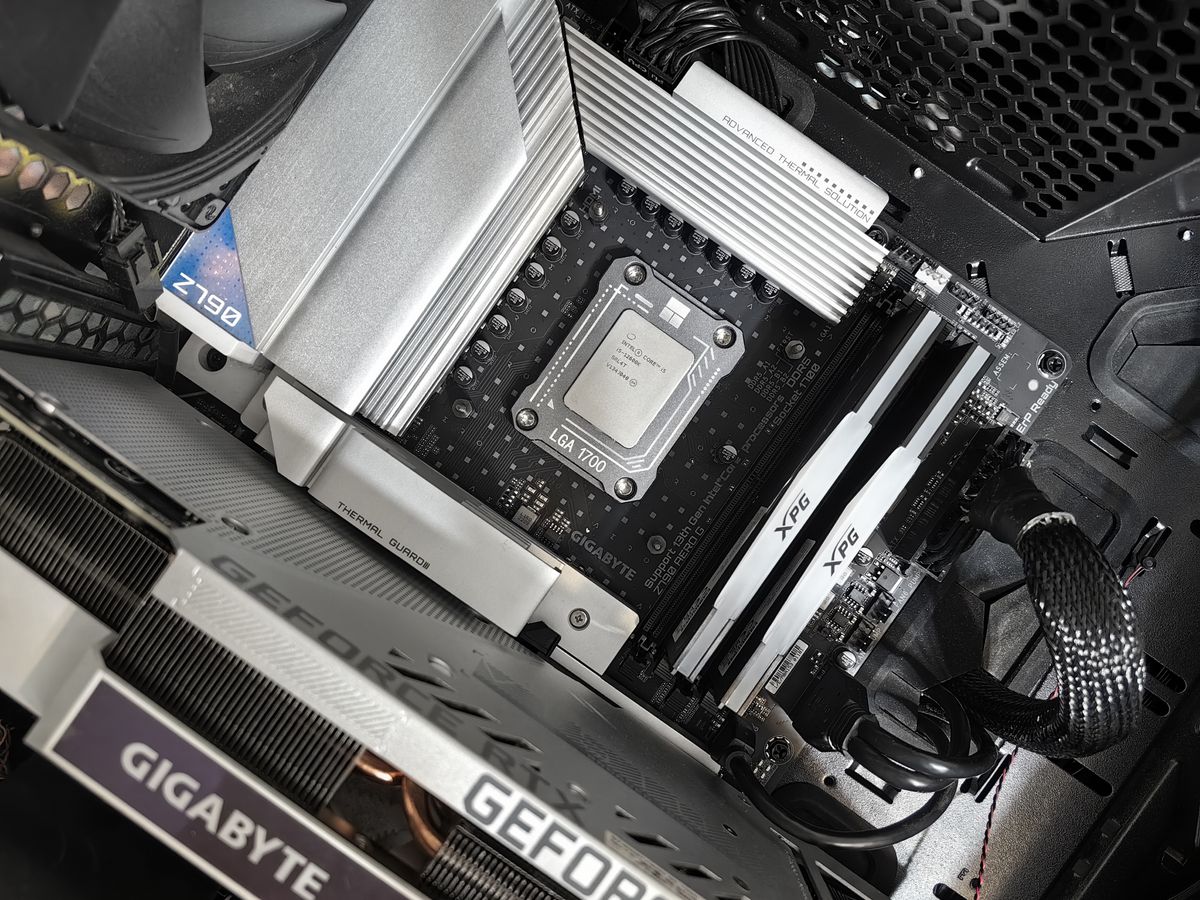
If you’ve priced a new PC recently, you’ve felt it: memory and storage costs have gone vertical. Analysts at TrendForce tracked DRAM contract prices roughly doubling in early 2026, with another jump of more than half again the following quarter, while NAND flash (the chips inside every SSD) climbed 70%+ in a single quarter. Gartner expects combined memory and SSD costs to end 2026 around 130% higher than 2025 — and estimates average new PC prices rising about 17% as a result.
The cause isn’t gamers or office buyers. AI data centres are consuming the world’s memory output, and Samsung, SK Hynix and Micron are steering factory capacity toward high-margin AI chips instead of the DDR4/DDR5 sticks and NVMe drives that go into ordinary desktops. Most analysts don’t expect real relief before 2027–2028.
What This Means at Sim Lim and Online in Singapore
Walk Sim Lim Square or browse Shopee today and you’ll see it directly: a 16GB DDR4 kit that cost well under $100 in 2025 now costs multiples of that, and 1TB NVMe drives have jumped in step. Threads on the HardwareZone forums are full of Singaporeans asking the same question: should I have bought last year?
Here’s the part most buyers miss: every new PC quote in Singapore now carries 2026 memory prices inside it. The RAM and SSD in a fresh prebuilt were bought at surge pricing, and that cost is passed straight to you.
Why Used PCs Dodge the Surge Entirely
A used desktop was assembled with RAM and storage bought at 2023–2025 prices — before the crunch. When you buy one, you’re effectively buying memory at pre-surge cost:
| New PC (2026 pricing) | Tested used PC | |
|---|---|---|
| 16GB RAM inside | Priced at surge rates | Bought pre-surge — already in the box |
| 512GB–1TB SSD inside | Priced at surge rates | Bought pre-surge — already in the box |
| Typical office spec | $900–$1,200+ | From $550 |
| Typical RTX gaming spec | $1,500–$2,000+ | From $750 |
And unlike GPUs, RAM and SSDs don’t meaningfully “wear out” in normal desktop use — DDR4 sticks from 2022 perform identically to sticks made yesterday. A healthy SSD’s remaining lifespan is verifiable in seconds with a SMART check, which is part of our full testing checklist on every machine we sell.
Three Buying Moves That Make Sense Right Now
1. Buy a complete used system, not parts
Piecing together a build today means paying surge prices for RAM and SSD individually. A complete tested second hand desktop locks in the old component prices in one purchase — with warranty.
2. If you’ll ever want 32GB, get it in the box now
Upgrading RAM later means buying at whatever 2027 pricing looks like — and analysts say it won’t be pretty. Tell us your workload on WhatsApp and we’ll spec the memory upfront.
3. Trade in before your old parts date badly
Ironically, the surge means your existing desktop’s RAM and SSD are worth more in trade right now. Our trade-in programme will offset your next machine.
“But Is Carousell Cheaper?”
Often, yes — and often untested, unwarranted, and sold as-is by someone who won’t reply next month. We’ve written honestly about that trade-off in Carousell vs shops vs Sim Lim. In a rising market, a dead SSD or faulty RAM stick isn’t a $60 annoyance anymore — replacing it costs real money, which is exactly why testing and a written warranty matter more in 2026 than they ever have.
FAQ
Unlikely. TrendForce still forecasts double-digit quarterly increases through late 2026, and most analysts see the shortage lasting into 2027–2028 as AI demand absorbs new factory capacity.
Not in practice. DRAM has no moving parts and no meaningful wear mechanism in normal desktop use. See our plain-English PC glossary for how RAM, SSDs and other parts actually work.
SMART data reports total writes and remaining endurance. Every SSD we sell passes a health check first — and you can test the machine in-store at Bugis before paying.
Beat the surge: browse tested office PCs from $550 and RTX gaming builds from $750, or WhatsApp +65 9131 8317 with your budget. Bugis Street #CFL A08, open daily 11am–8pm.